How to Track Employee Performance Using Gamification
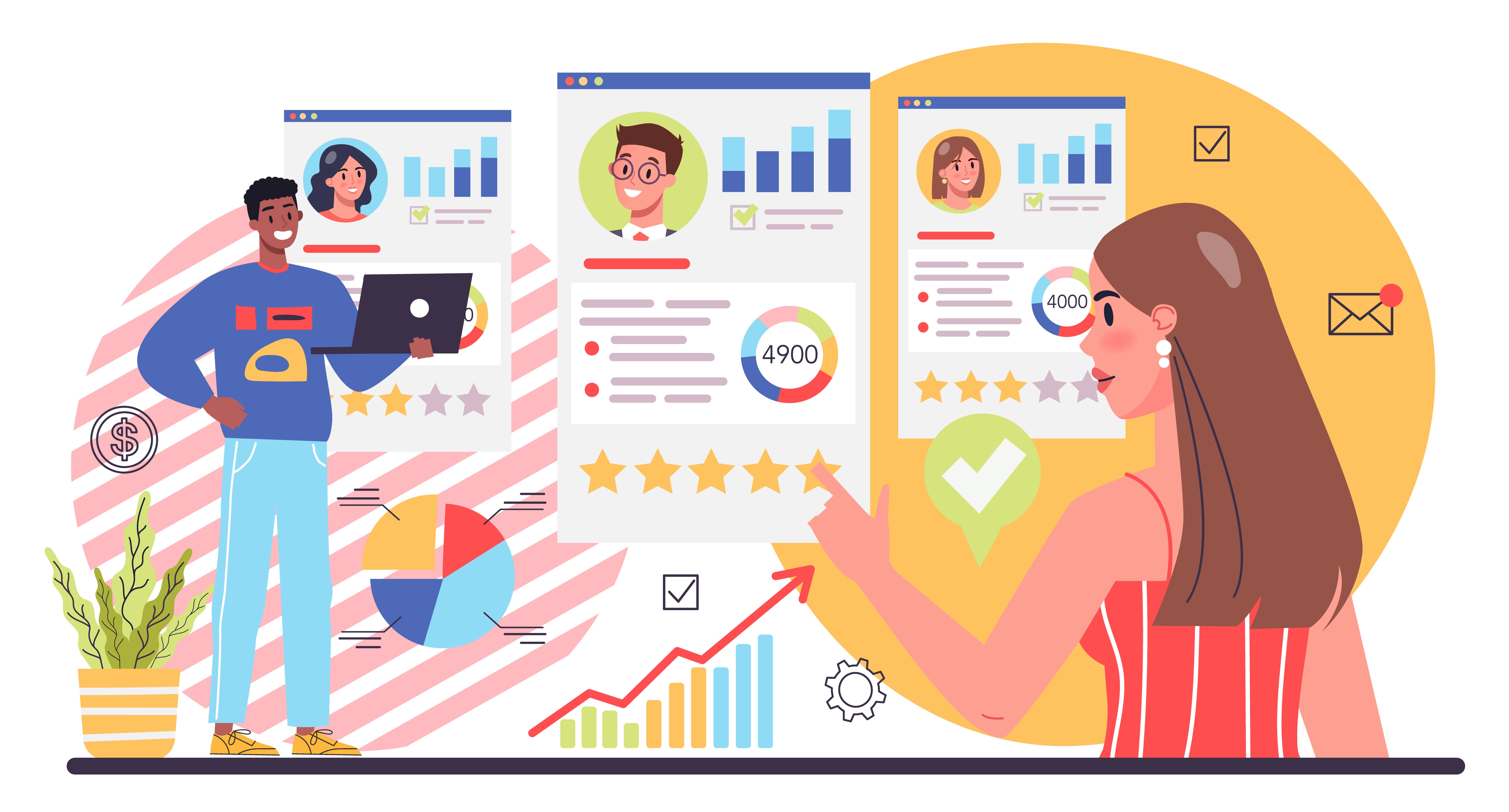
Gamification tracks employee performance by turning daily work into real-time data. Points, leaderboards, missions, and challenges capture effort as it happens. Employees see their own progress clearly, managers get early signals worth acting on, and performance becomes something the whole team is aware of, not just HR.
Performance data almost always arrives too late. A manager opens a report, sees that someone has been underperforming for weeks, and realises there is very little left to do about it. The moment to step in has already passed.
The core issue is simple. Most tracking systems were built to record outcomes, not to show what is happening while there is still time to act. Gamification works differently. It pulls performance data from daily work as it happens, gives employees a clear picture of where they stand, and gives managers something worth acting on before the quarter closes.
According to Gallup, companies with highly engaged employees see 21 percent higher profits. A TalentLMS study found that 89 percent of employees say gamification makes them feel more productive at work. The gap between those numbers and what most tracking systems produce today is exactly where gamification sits.
The straightforward answer is that a majority of systems were not designed with the intention of monitoring performance. Instead, these systems were created to make a record of it. The distinction between the two carries significant weight.
Documenting performance, in simple terms, entails noting down what transpired at the end of an established time period. It refers to the process of hand-picking output figures, collating them in a report, and presenting them in a summary meeting. By the time any information reaches a manager, the behaviours responsible for it are weeks or months old and significantly harder to alter.
Tracking performance, on the other hand, means keeping an eye on effort as it builds and catching problems while they are still small. It refers to noticing that an employee's activity has been dropping for two weeks before that drop shows up in their output figures. It refers to seeing that a team's energy has shifted before the end-of-quarter results confirm it.
The majority of firms follow the first and mislabel it as the second. Managers make decisions based on outdated information, and this leads to difficult conversations that might have been far simpler if they had taken place sooner.
Gamification works by attaching data collection to the actions employees are already taking. Every task completed, every challenge finished, every milestone reached generates a data point the moment it happens. There is no manual input required, and no waiting for a review cycle to close before anything becomes visible.
Points are assigned to specific behaviours, namely the ones that predict good performance outcomes rather than the ones that are simply easy to count. Leaderboards make those points visible across the team. Missions organize daily work into clear progress toward larger goals. Badges mark meaningful milestones in a way that feels earned rather than automatic.
What this produces is a steady stream of data that reflects how people are actually working, day by day. A manager looking at this does not see a number at the end of a quarter. They see a pattern building over time, and patterns are far more useful than snapshots taken too late to act on.
The deeper reason this works is that it matches how people naturally respond to their environment. Visible progress motivates continued effort. Earned recognition reinforces the right behaviours. Fair competition raises the standard across a team without anyone having to push for it.
Yes, provided it is set up correctly and tied to behaviours that genuinely matter.
Engagement improves because the relationship between effort and feedback changes. In a traditional setup, an employee can work hard for months and receive no meaningful signal about how they are doing until a formal review. That gap is demotivating in a way that is easy to miss because it is quiet. People do not often complain about lack of feedback. They simply, over time, reduce their investment in the work.
Gamification closes that gap. Feedback arrives right away. Progress is visible without requiring a conversation to access it. Recognition happens at the moment it is relevant, not in a summary delivered long after. Some industry research suggests this kind of real-time feedback can lift engagement levels significantly, particularly in teams where performance had previously been invisible to employees themselves.
When performance is visible across a team through a live leaderboard, most people naturally raise their level of effort. Not because they are required to, but because visible standards tend to pull people toward them.
More consistent daily effort is usually the first change that becomes apparent. When an employee can see their progress update in real time, they stay more focused throughout the day. The goal is no longer distant or abstract. It is right in front of them, clearly defined and actively moving.
Recognition that arrives at the right moment carries weight that delayed recognition does not. A milestone acknowledged the moment it is reached creates a real connection between the effort and the reward. The same acknowledgment delivered weeks later in a monthly summary produces a very different effect.
Performance data also becomes more reliable when the rules behind it are clear and open. When a system is transparent about which actions earn points and why, managers can trust what the numbers are telling them. Debates about whether a metric reflects genuine performance become far less frequent.
Skill development speeds up when large goals are broken into smaller daily steps. People move faster when they know what the next action is. Structured missions provide that clarity in a way that broad annual goals rarely do, and growth starts to feel like an ongoing process rather than something reviewed once a year.
Retention improves when effort is consistently seen and acknowledged. Research on recognition at work points to a clear pattern, namely that employees who feel their contributions are noticed are far less likely to start looking elsewhere. The inclination to leave builds gradually and quietly, and regular recognition is one of the more effective ways of slowing that process down.
The most common mistake is starting with the experience rather than the rules. A team builds a leaderboard, assigns some points, and launches without being clear about what behaviour the system is meant to encourage. The result looks active on the surface but produces no useful insight.
Start by identifying the behaviours that predict good outcomes in your specific context. For a sales team, this might mean tracking discovery calls rather than closed revenue alone. For a customer service team, it might mean first-contact resolution attempts rather than ticket volume. The behaviours you choose to reward determine what the system produces.
Once those behaviours are defined, set the rules before building anything else. Which actions earn points, when they trigger, and how they are weighted relative to one another. This is the stage most teams rush through, and it is also the stage that determines whether the system works. Test the rules against real scenarios before going live and think carefully about how they might be gamed.
Group employees by role before launch. An employee in sales and an employee in onboarding have different jobs and different ideas of what a good week looks like. A single generic setup will stop feeling relevant to both of them quickly. Role-specific missions and leaderboards keep the system meaningful for each person over time.
After launch, watch participation data closely in the first two weeks. This is when the system shows whether the rules are working or need adjustment. Waiting until the end of a quarter to check is returning to the same delayed visibility that gamification was meant to solve.
We at ZyloQuest built our platform around the challenges described throughout this piece. The intention was not to create another reporting layer or add surface-level incentives on top of work that was already being tracked poorly. The intention was to build a system where performance data comes naturally from daily work, without requiring extra effort from the people doing it.
Our no-code rule builder allows HR and operations teams to define which behaviours earn points, when those points trigger, and how rewards are structured, all without needing technical support. Rules can be adjusted as goals change and tested before going live.
Role-based setup means each employee sees missions, leaderboards, and rewards that are relevant to their function. Relevance is what sustains participation over time, and our tools are built with that principle at their centre.
Our live dashboards give managers a view of performance that updates in real time. Trend data, participation rates, and leaderboard movement are all visible as they happen, which means early signals can be caught and addressed while there is still time to act.
Tracking employee performance with gamification works when it is built around the right behaviours, set up for the right roles, and used as a live management tool rather than another layer of documentation.
The organizations that benefit most are the ones that stop treating performance data as something to collect and start treating it as something to act on. Early signals get addressed while they are still manageable. Recognition arrives when it carries real meaning. Employees stay more engaged because their effort is visible to them and to the people around them.
If you would like to see how this works in practice, book a free demo with ZyloQuest today.
It makes effort visible in real time and delivers recognition the moment it is earned. Employees who can see where they stand stay more focused, and managers get early signals that give them time to act before small problems grow into larger ones.
Yes, particularly when the rules behind the system are clear and tied to behaviours that predict real performance outcomes. Clear rules produce reliable data, which gives managers a far more useful basis for decisions than periodic snapshots taken after the moment to act has passed.
Start by identifying the behaviours that predict good outcomes, set clear rules around those behaviours, configure the system differently for different roles, and monitor participation closely in the weeks after launch. The structure matters more than the technology.
Research on workplace gamification points to consistent improvements in motivation and output, particularly where feedback is immediate and progress is visible. A TalentLMS study found that 89 percent of employees say gamification makes them feel more productive at work.
It supports onboarding, training, performance tracking, and retention by turning these into ongoing, data-generating processes rather than periodic events. HR teams gain visibility into engagement and development on a continuous basis rather than waiting for reviews to surface issues.
The most reliable indicators are participation rates, engagement trends over time, and whether the behaviours being rewarded are actually changing. Productivity and retention often improve as a result, but participation and behaviour change are the leading signals worth watching first.